Wild Colour
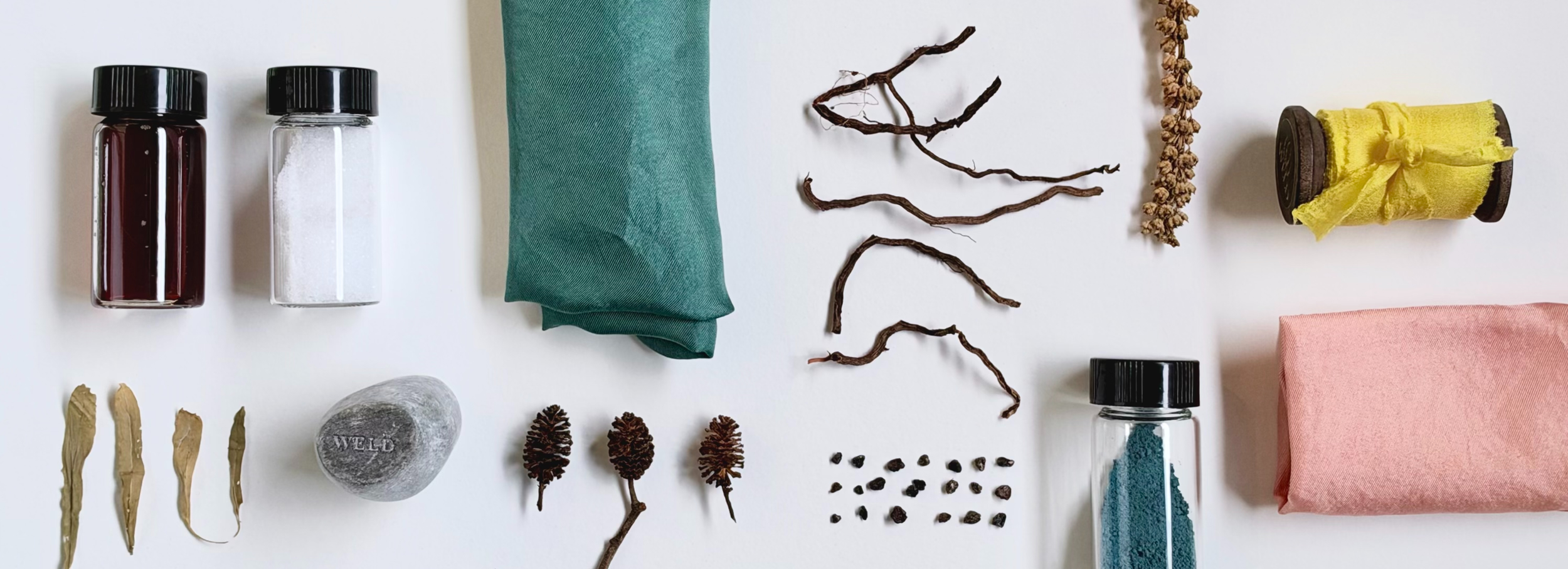
Colour begins with material.
Root, bark, flower, insect, leaf, fruit and earth.
Colour carries with it traces of its origins - in hue, hand and scent. From material to cloth, from cloth to body, it becomes something more than surface: something worn, touched and inhabited.

Madder
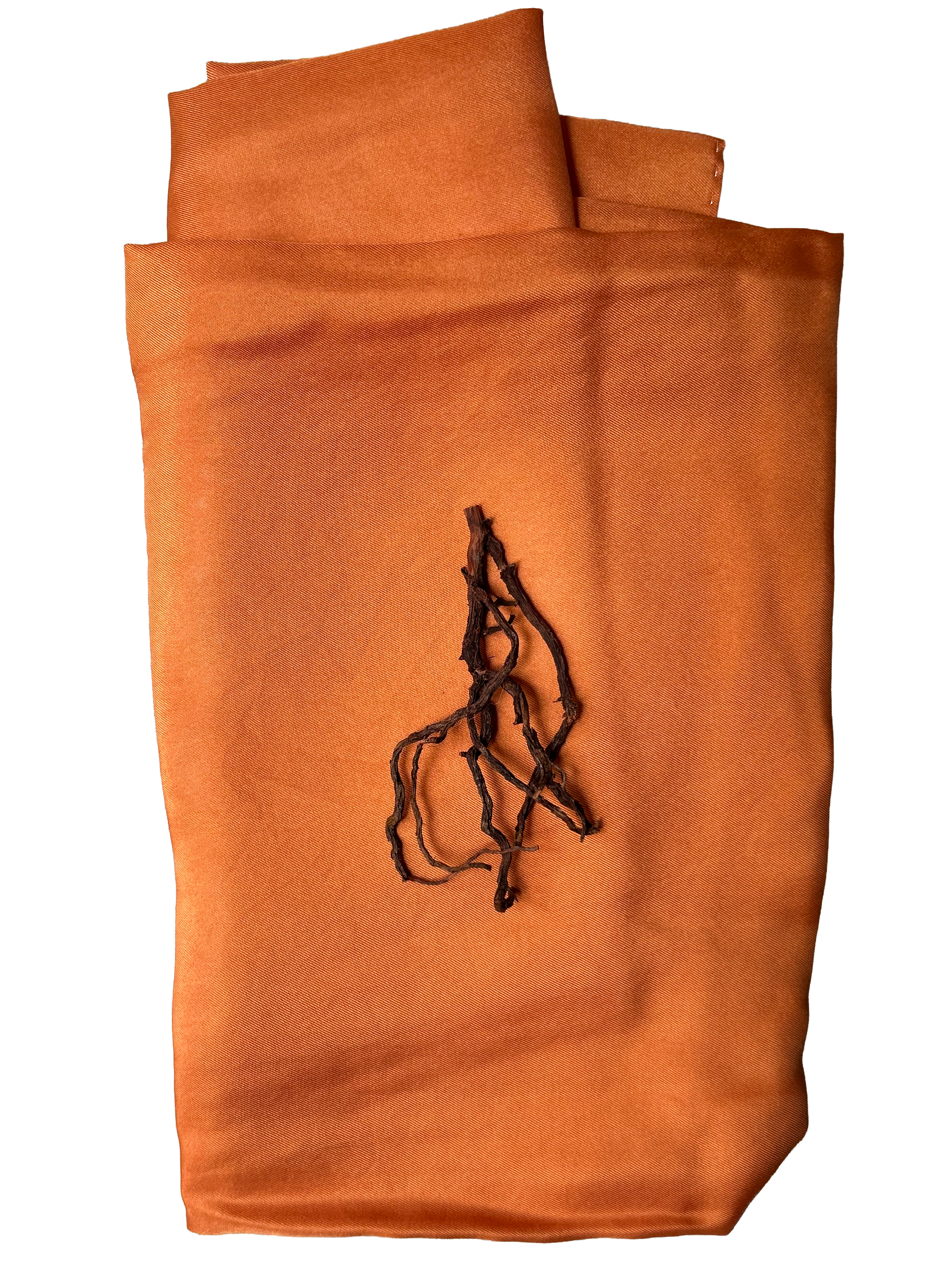
Cultivated for more than 4,000 years, madder root yields an extraordinary spectrum of colour- from warm apricot and terracotta to deep crimson. Its reds come from alizarin, a pigment so influential that it became one of the first dyes to be synthesized in the 19th century.
Indigo
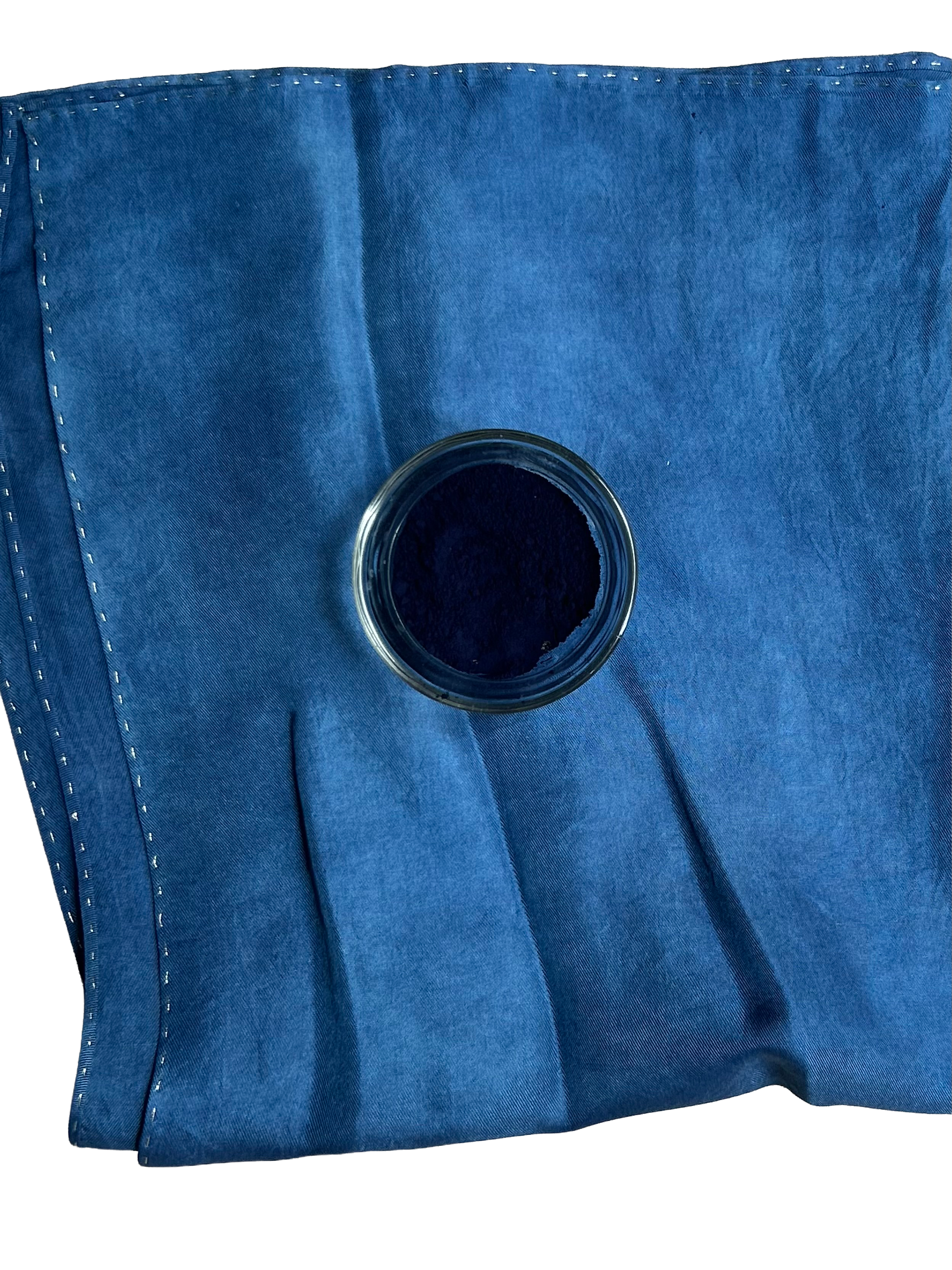
Indigo begins almost clourless. Through fermentation and oxidation, cloth emerges from the vat yellow-green, then turns blue as it meets the air. Each dip builds another translucent layer, creating the remarkable depth for which indigo has been prized.

Cochineal
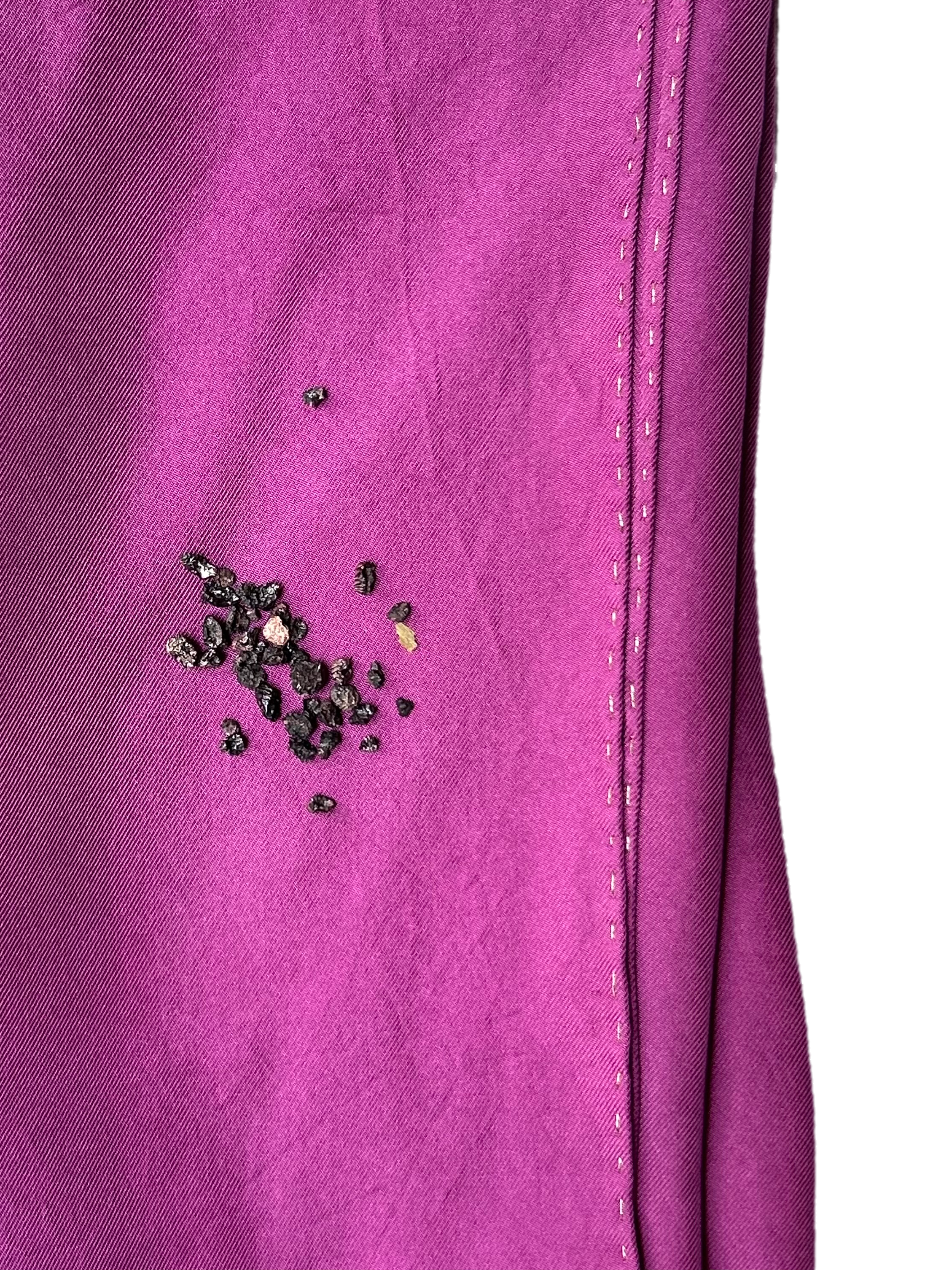
A tiny scale insect native to the Americas, cochineal produces some of the natural world’s most luminous reds-from soft rose and coral to vivid crimson. Its colour comes from carminic acid and has travelled for centuries through textiles, painting and food.

Alder
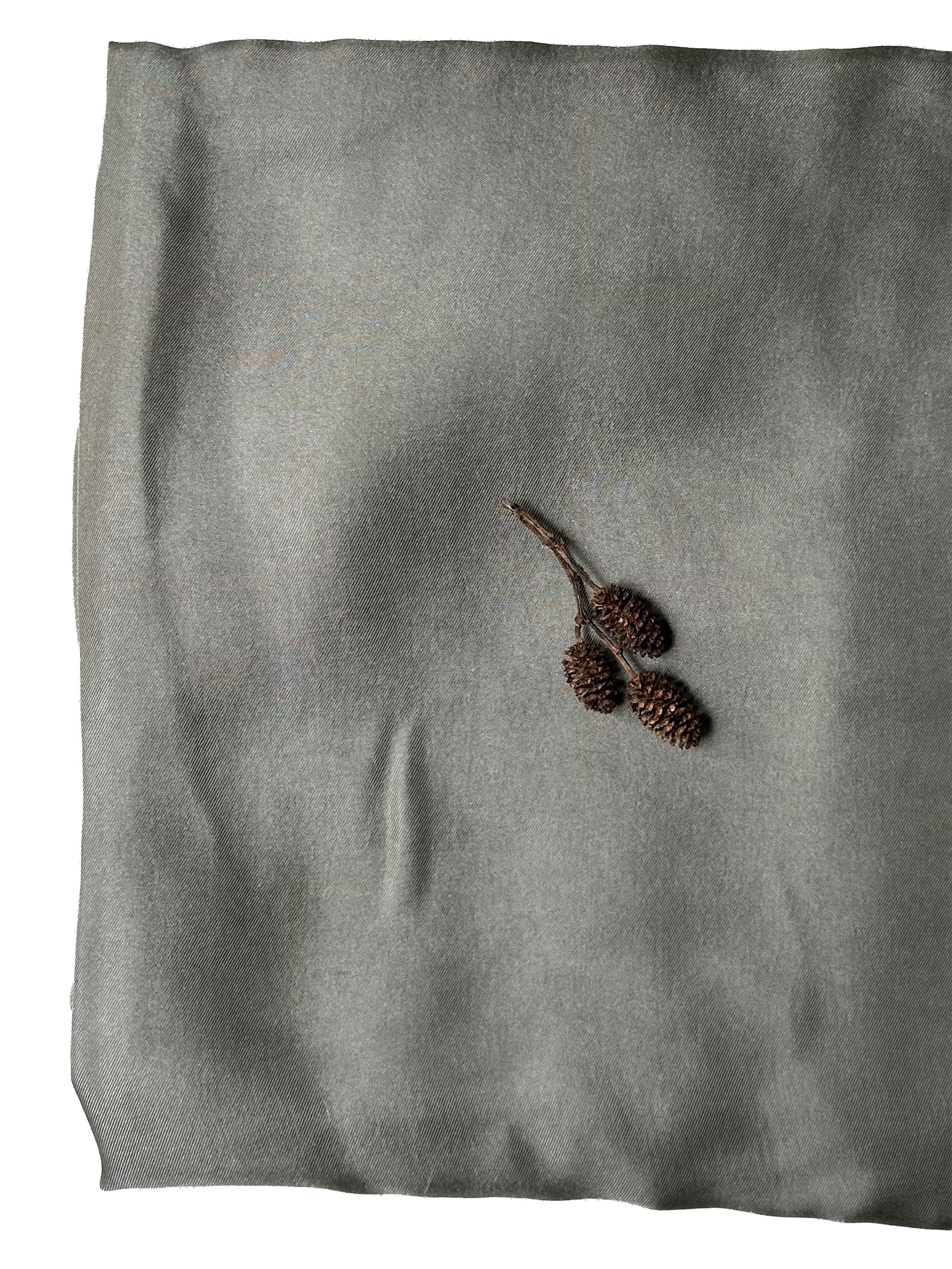
Bark, cones and leaves from Pacific red alder yield warm, earthy colour-peach, cinnamon, russet and muted brown. Rich in tannins, alder changes dramatically in the presence of iron, shifting those warmths toward silvery grey and smoky charcoal.
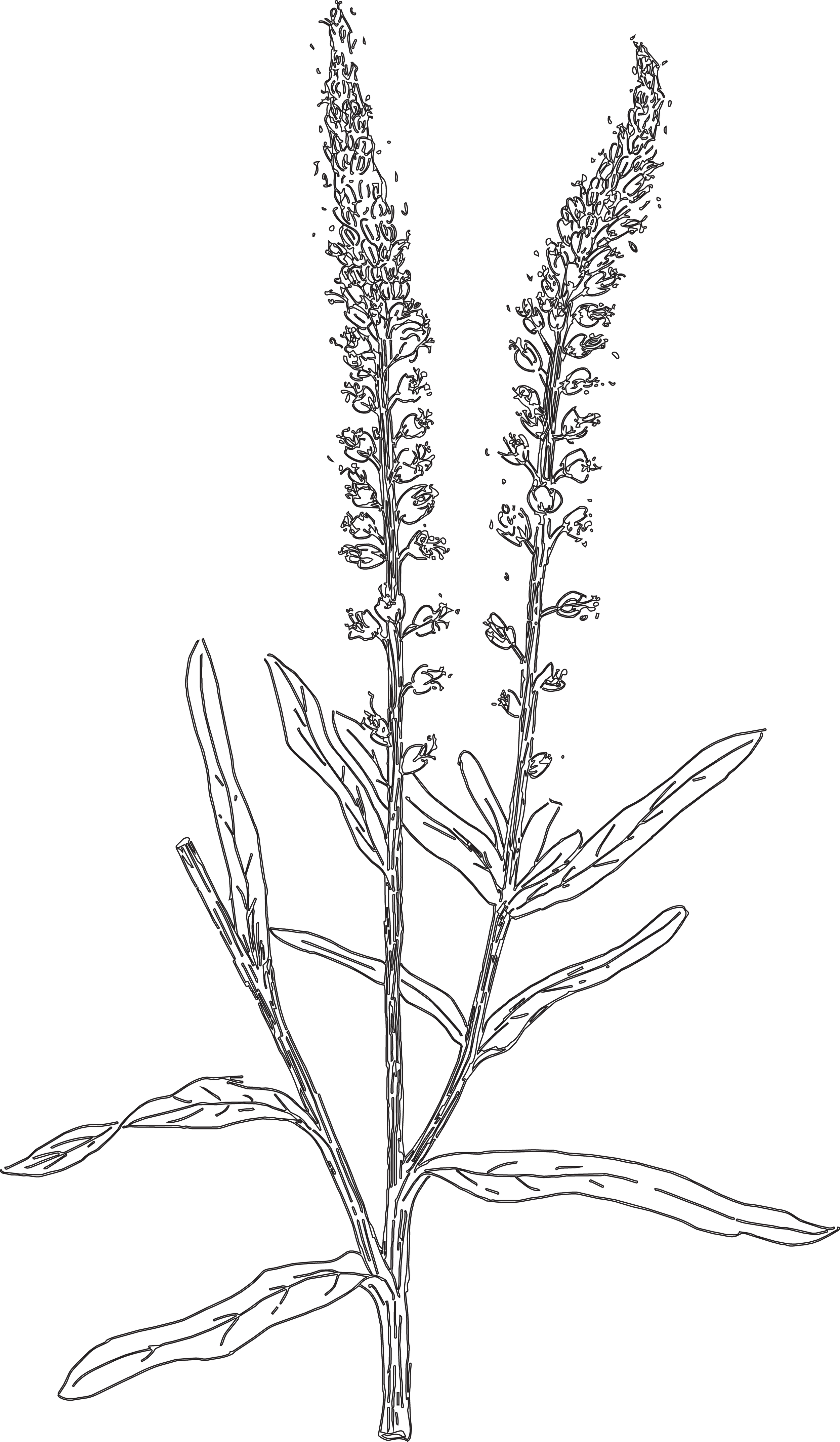
Weld
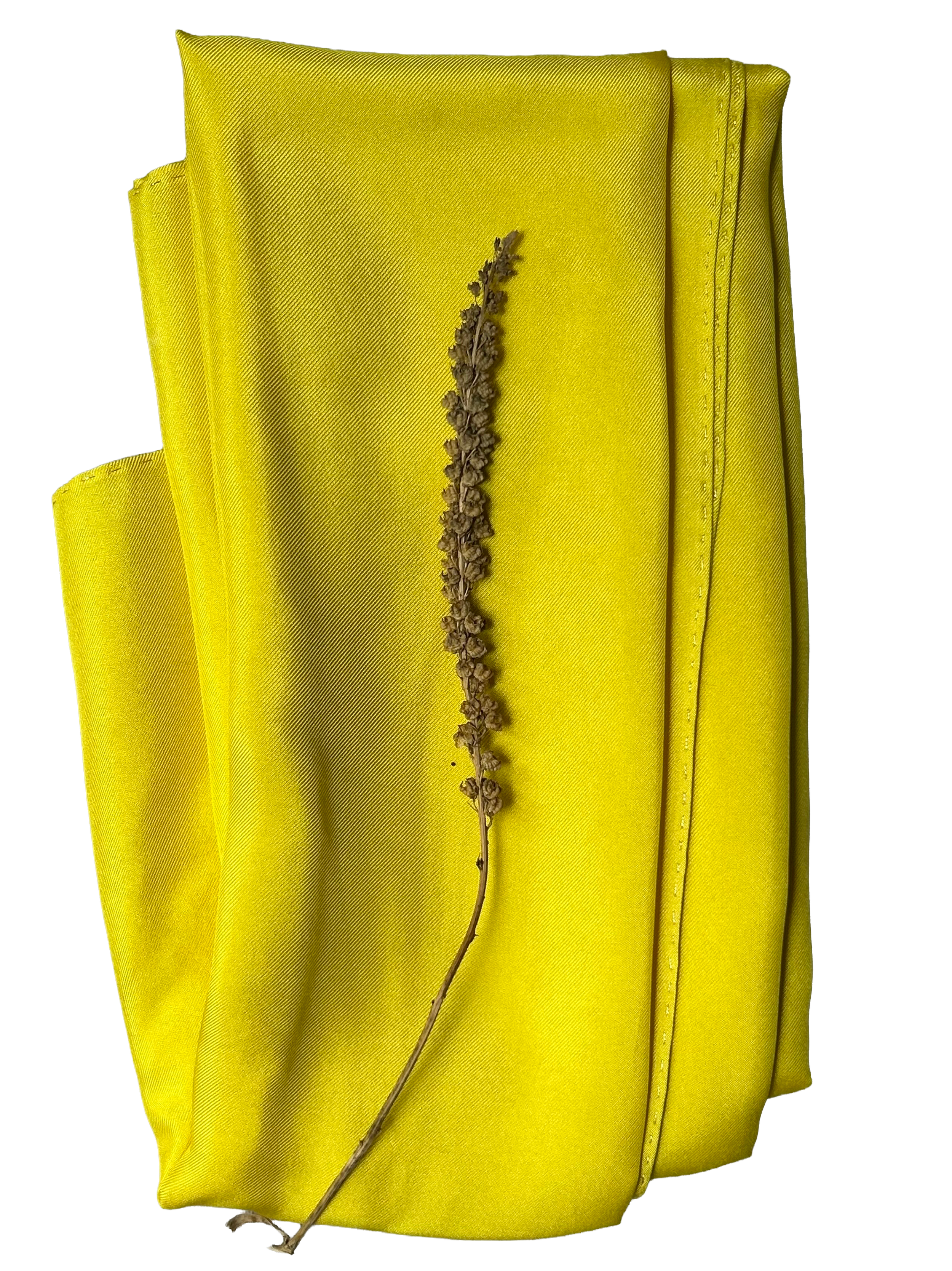
An unassuming roadside plant with an extraordinary colour: clear, luminous yellow. Cultivated as a dye since antiquity, weld ranges from pale straw to brilliant gold and was historically combined with indigo to produce rich, enduring greens.

Persimmon
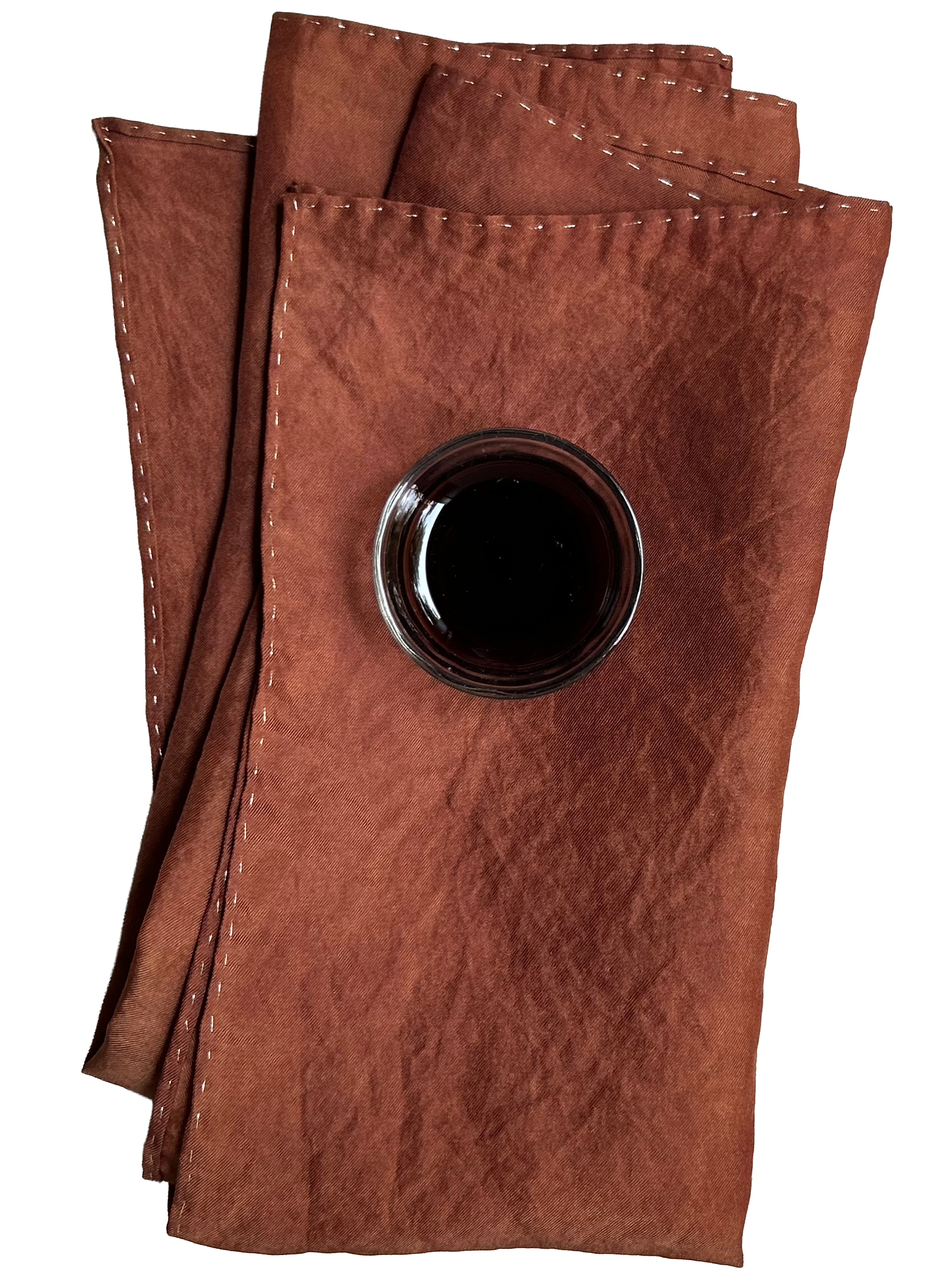
Kakishibu is made from the fermented juice of unripe persimmons, traditionally used in Japan as both dye and preservative. With exposure to sunlight, its colour slowly deepens from golden amber toward copper and chestnut, while its tannins alter the character of the cloth itself.